

How to Read Commercial Truck Tire Wear Patterns
June 29, 2026
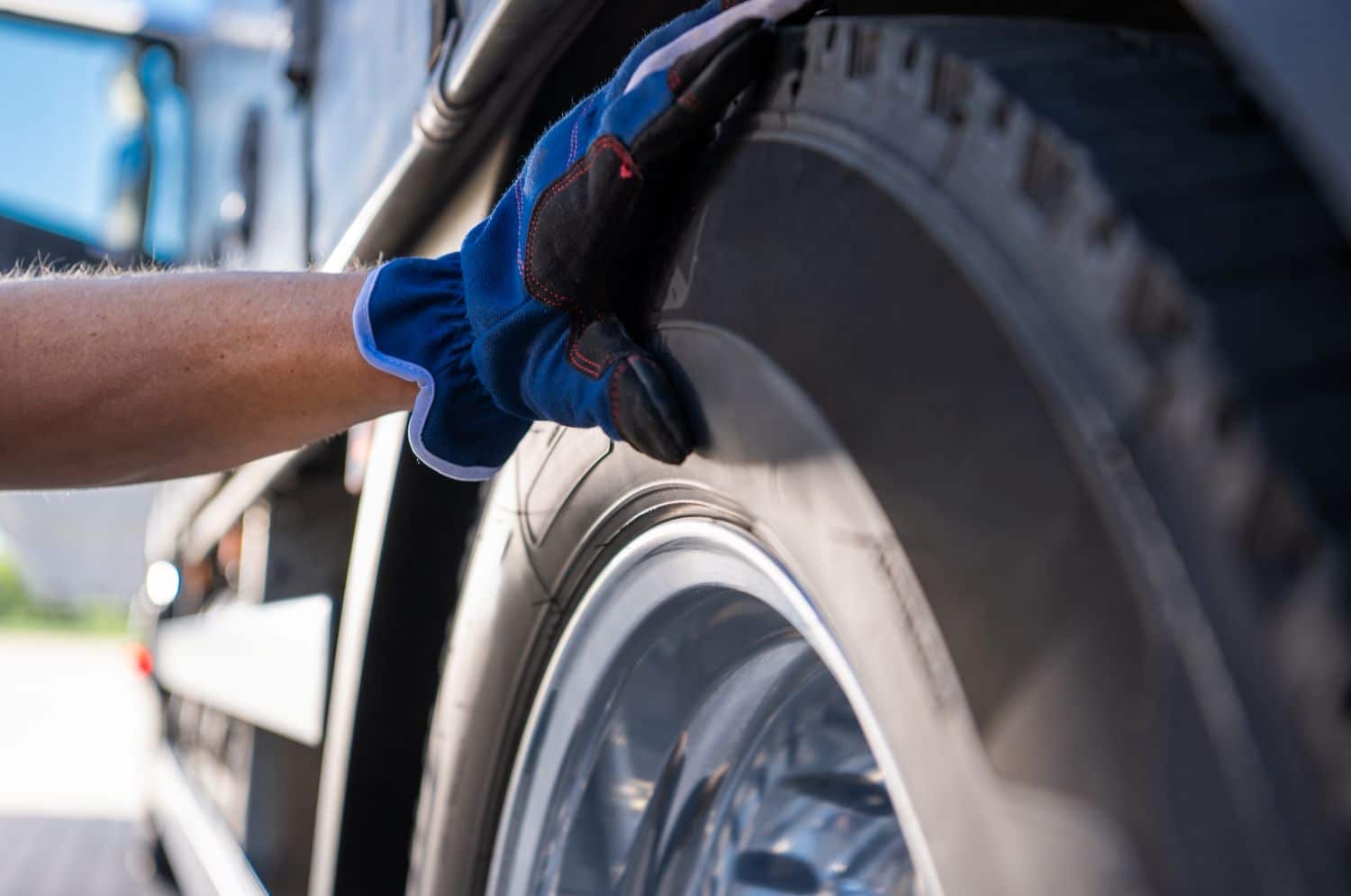
Commercial truck tires are one of the most important components of any truck or fleet vehicle. They support heavy loads, help maintain safety on the road, and play a major role in fuel efficiency and operating costs. When tires begin to show unusual wear, they can provide valuable clues about mechanical issues, driving habits, or maintenance concerns.
At TIRECRAFT Ontario, we help truck owners and fleet managers understand truck tire wear patterns so they can identify problems early and avoid costly repairs. Learning how to read commercial truck tire wear patterns can improve tire life, increase safety, and reduce downtime.
Why Tire Wear Patterns Matter
Every truck tire wears down over time. However, the way a tire wears can reveal important information about the condition of the vehicle. Certain tire wear patterns may indicate problems with alignment, suspension components, wheel balance, or air pressure.
Regular tire inspections help identify issues before they become serious. By understanding what different wear patterns mean, truck owners can take corrective action and extend the life of their tires.
Benefits of monitoring tire wear include:
- Improved road safety
- Better fuel economy
- Longer tire lifespan
- Reduced maintenance costs
- Fewer unexpected breakdowns
- Better overall fleet performance
Normal Tire Wear
A healthy commercial truck tire should wear evenly across the tread surface. The tread should maintain a consistent tread depth from one side of the tire to the other.
When wear occurs evenly, it usually indicates that:
- The tire is properly inflated
- The wheels are aligned correctly
- Suspension components are functioning properly
- Tire maintenance is being performed regularly
Even wear helps maximize tire life and provides the best traction and handling.
Shoulder Wear
One of the most common tire wear patterns is shoulder wear. This occurs when the edges of the tire wear down faster than the center.
Causes of Shoulder Wear
The most common cause is low air pressure. When inflation pressures are too low, more of the tire’s weight is carried by the outer edges of the tread.
Other possible causes include:
- Overloading
- Frequent sharp turns
- Improper tire selection
- Lack of regular tire maintenance
Maintaining proper air pressure is one of the most effective ways to prevent shoulder wear and maximize tire performance.
Center Wear
Center wear occurs when the middle section of the tread wears faster than the shoulders.
Causes of Center Wear
This condition is usually caused by excessive inflation pressures. Overinflated tires cause the center portion of the tread to make greater contact with the road surface.
Signs of center wear include:
- Faster wear down the middle of the tire
- Reduced traction
- Shortened tire life
- Uneven tread depth measurements
Regular pressure checks help ensure tires are operating within manufacturer recommendations.
Heel and Toe Wear
Heel and toe wear appears when individual tread blocks develop uneven wear across their surfaces. One edge of the tread block becomes higher than the other, creating a saw-tooth appearance.
Causes of Heel and Toe Wear
This wear pattern often develops due to:
- Misalignment
- Irregular tire rotation
- Worn suspension components
- Frequent stopping and acceleration
Heel and toe wear is especially common on drive axle tires. If left uncorrected, it can create noise and vibration while driving.
Cupping or Scalloping
Cupping, sometimes called scalloping, appears as dips or scooped-out sections around the tread.
Causes of Cupping
Cupping is often linked to worn suspension components that allow the tire to bounce excessively while driving.
Possible causes include:
- Worn shocks
- Damaged suspension parts
- Wheel imbalance
- Loose steering components
When the tire repeatedly bounces against the road surface, irregular wear develops around the circumference of the tire.
Flat Spotting
Flat spotting occurs when a section of the tire wears significantly more than the surrounding tread.
What Causes Flat Spotting?
Flat spotting can develop from:
- Hard braking
- Wheel lockup
- Long periods of vehicle storage
- Improper wheel balance
In commercial trucking applications, flat spotting can create vibrations that affect ride quality and accelerate wear on other vehicle components.
If flat spotting is detected early, technicians may be able to correct the underlying issue before the tire requires replacement.
One-Sided Wear
One-sided wear occurs when one side of the tread wears more rapidly than the other.
Common Causes
This wear pattern is usually associated with alignment problems.
Contributing factors may include:
- Incorrect toe settings
- Camber issues
- Bent suspension parts
- Worn steering components
A professional alignment inspection can identify the source of the problem and help prevent excessive wear.
River Wear
River wear is often found on steer tires and appears as channels or grooves that form beside the tread ribs.
Why River Wear Happens
River wear may be caused by:
- Improper tire matching
- Vehicle operating conditions
- Suspension movement
- Uneven load distribution
This pattern should be inspected by experienced tire technicians because multiple factors can contribute to its development.
The Importance of Monitoring Tread Depth
Regular tread depth measurements are essential for maintaining commercial truck safety.
As tread wears down, the tire’s ability to grip wet, snowy, or slippery roads decreases. Monitoring tread depth allows truck operators to schedule tire replacements before safety becomes compromised.
Routine inspections can also reveal developing wear patterns before they lead to major tire damage.
At TIRECRAFT Ontario, our technicians perform comprehensive tire inspections that include tread depth measurements, inflation checks, and assessments of overall tire condition. Find a Location Near You for support!
How Proper Tire Maintenance Prevents Excessive Wear
Many tire wear issues can be prevented through consistent tire maintenance.
Recommended maintenance practices include:
- Checking air pressure regularly
- Monitoring inflation pressures according to manufacturer specifications
- Performing routine wheel alignments
- Rotating tires when appropriate
- Inspecting suspension components
- Balancing wheels as needed
- Measuring tread depth frequently
- Addressing mechanical problems promptly
Preventative maintenance helps reduce excessive wear and improves the overall reliability of commercial vehicles.
Professional Commercial Tire Inspections at TIRECRAFT Ontario
Commercial trucks operate under demanding conditions every day. Heavy loads, long distances, and varying road surfaces can all affect tire performance.
The tire experts at TIRECRAFT Ontario understand how to identify common tire wear patterns and determine their underlying causes. Whether you manage a single truck or an entire fleet, our team can help maximize tire life and improve vehicle safety.
By identifying problems early, we help reduce downtime, lower operating costs, and keep your trucks on the road.
Frequently Asked Questions
What is the most common cause of truck tire wear patterns?
Improper air pressure is one of the most common causes of unusual tire wear patterns. Both underinflation and overinflation can lead to uneven tread wear and reduced tire life.
How often should commercial truck tires be inspected?
Commercial truck tires should be visually inspected before every trip and professionally inspected on a regular maintenance schedule. Frequent inspections help detect wear problems early.
Can worn suspension components cause tire wear?
Yes. Worn suspension components can cause cupping, uneven tread wear, vibrations, and handling issues. Suspension inspections are an important part of commercial tire maintenance.
Why is tread depth important for commercial trucks?
Proper tread depth helps maintain traction, especially in wet or slippery conditions. Monitoring tread depth ensures tires remain safe and compliant with applicable regulations while maximizing performance.