
Commercial Tire Tread Depth: A Guide for Ontario Truck Drivers and Fleet Operators
October 20, 2026
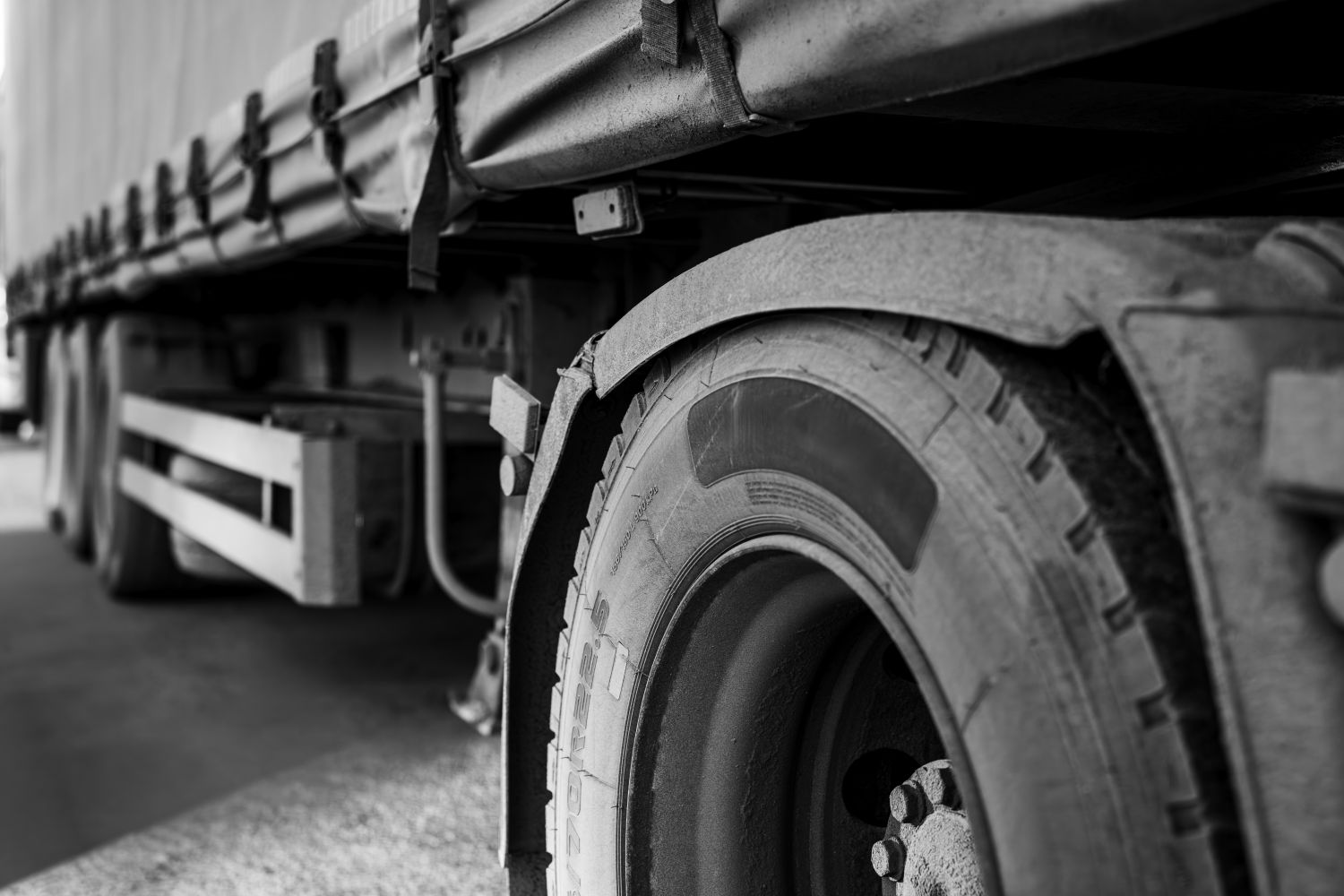
Commercial tires play an important role in keeping trucks safe, efficient, and ready for the road. Whether you operate a single transport truck or manage an entire fleet, maintaining proper commercial tire tread depth is essential for safe driving and dependable performance.
At TIRECRAFT Ontario, we understand how important tire maintenance is for commercial vehicles. Knowing when to inspect, maintain, or replace your tires can help reduce unexpected breakdowns, improve traction, and keep your business moving. Find Your Local TIRECRAFT Today!
Why Commercial Tire Tread Depth Matters
Tire tread is the grooved rubber surface that makes contact with the road. These grooves help move water away from the tire, improving grip on wet pavement. They also support traction, braking, and vehicle stability.
As commercial tires wear down, their ability to maintain traction can decrease. This becomes especially concerning when driving through rain, snow, or icy conditions.
Maintaining proper truck tire tread depth offers several benefits:
- Improved road safety: Adequate tread helps maintain traction and vehicle control.
- Better braking performance: Healthy tread supports reliable stopping, especially on wet roads.
- Reduced downtime: Regular inspections help identify worn tires before they cause problems.
- Longer tire life: Proper maintenance can prevent premature or uneven wear.
- Regulatory compliance: Meeting minimum tread depths helps commercial vehicles remain roadworthy.
For fleet operators, checking tread depth is an important part of preventative maintenance.
What Are the Minimum Commercial Tire Tread Depth Requirements in Ontario?
Ontario has specific tire tread requirements to help maintain road safety.
Under Ontario Regulation 625, the minimum allowable tread depth depends on the vehicle and tire position:
- Front tires on vehicles with a gross vehicle weight rating over 4,500 kg: At least 3 mm of tread depth.
- Other tires: Generally, at least 1.5 mm of tread depth.
These measurements apply to two adjacent major tread grooves at three equally spaced locations around the tire. Tires must also meet other condition requirements, including having no exposed cords.
Although these are legal minimums, replacing tires before reaching these limits may improve safety, especially during difficult weather conditions.
Fleet operators should also consider applicable inspection standards, operating conditions, and manufacturer recommendations when planning tire replacements.
How to Measure Commercial Tire Tread Depth
Checking tread depth is a straightforward process that should be included in routine vehicle inspections.
A tire tread depth gauge provides a simple and accurate way to determine how much usable tread remains.
Follow these steps:
- Park the truck safely on a level surface.
- Identify the main tread grooves across the tire.
- Insert the gauge into a groove, avoiding raised wear indicators.
- Record the measurement in millimetres.
- Repeat the measurement at several locations around the tire.
- Compare the results with applicable minimum tread depths.
Measuring multiple areas is important because tires do not always wear evenly.
If one section has significantly less tread than another, the vehicle may have alignment, suspension, or inflation problems.
Steer Tires vs. Drive Tires: Understanding the Difference
Different commercial tire positions perform different functions, which makes tread depth especially important.
Steer Tires
A steer tire is installed on the front steering axle of a truck. These tires help control vehicle direction and maintain stability.
Because steering performance is critical, steer tires on heavier commercial vehicles are subject to stricter minimum tread requirements.
Drive Tires
Drive tires are installed on powered axles and transfer engine power to the road.
Their tread patterns are designed to support traction, particularly during acceleration, climbing, and challenging road conditions.
Worn drive tires may struggle to maintain grip on wet, snowy, or slippery surfaces.
Trailer Tires
Trailer tires support the weight of transported cargo and contribute to overall vehicle stability.
Although they do not provide steering or driving power, their condition remains important for safe transportation.
Signs Your Commercial Truck Tires Need Attention
Tread depth measurements are important, but they are not the only indicators of tire condition.
Watch for these warning signs:
- Uneven tread wear across the tire
- Cracks, cuts, or visible damage
- Frequent tire pressure loss
- Excessive vibration while driving
- Bulges or unusual changes in tire shape
- Tread approaching the legal minimum
If these problems appear, arranging a professional tire inspection can help identify whether maintenance, repair, or replacement is necessary.
How to Extend Commercial Tire Life
Proper tire maintenance can help fleet operators get more value from their investment.
Checking tire pressure regularly is one of the most important steps. Underinflated or overinflated tires can wear unevenly, reduce performance, and increase operating costs.
Wheel alignment is equally important. Incorrect alignment can cause excessive tread wear and shorten tire life.
Drivers should also avoid overloading vehicles and inspect tires before trips.
Keeping detailed maintenance records helps fleet managers identify recurring problems and schedule replacements before tires become unsafe.
Commercial Tire Services at TIRECRAFT Ontario
At TIRECRAFT Ontario, we help commercial vehicle operators maintain dependable tires for demanding driving conditions.
Our network offers commercial tire products and services to support trucks, trailers, and fleets across Ontario.
Whether you need help understanding tire wear, selecting replacement tires, or planning routine maintenance, your local TIRECRAFT team can provide guidance.
Contact TIRECRAFT Ontario today to learn more about commercial tire services and keep your vehicles ready for the road.
Frequently Asked Questions About Commercial Tire Tread Depth
How often should commercial tire tread depth be checked?
Commercial tires should be visually inspected during required pre-trip inspections. Regular tread depth measurements should also be part of scheduled maintenance. Vehicles operating over long distances or in demanding conditions may require additional checks.
What is the minimum steer tire tread depth in Ontario?
Front tires on motor vehicles with a gross vehicle weight rating exceeding 4,500 kg must maintain at least 3 mm of tread depth under Ontario Regulation 625.
Can uneven commercial tire wear be repaired?
It depends on the cause and condition of the tire. Alignment adjustments, pressure corrections, or suspension repairs may prevent further uneven wear. However, these services cannot restore tread that has already worn away.
Where can I get commercial tires inspected in Ontario?
TIRECRAFT Ontario offers commercial tire services through participating locations. Contact your nearest TIRECRAFT location to confirm available truck tire inspections, maintenance, and replacement services.